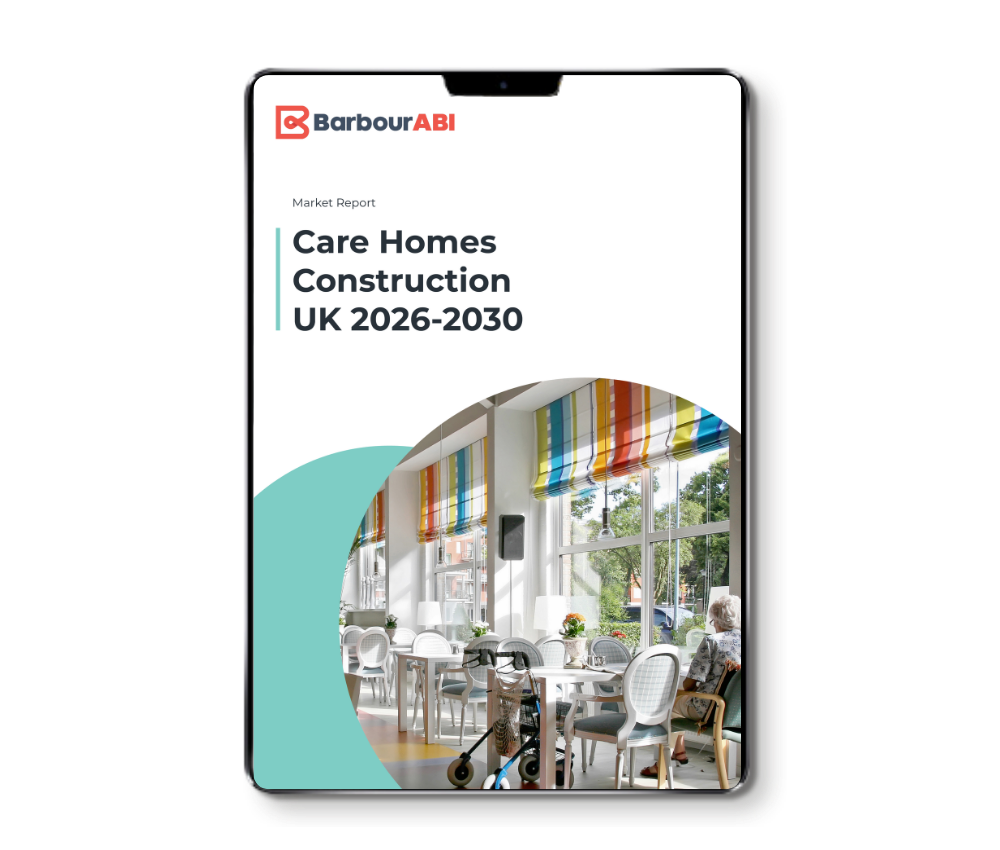
Demand for care homes in the UK is strong and rising, driven by an ageing population, longer life expectancy and more complex health needs. As of 2025, there are 17,088 care homes providing just under 550,000 bed spaces. Construction contract awards increased from about £416m in 2021 to £1,034m in 2025, and 2024/25 saw a small rise in bed numbers – but overall bed capacity remains below 2020 levels due to closures and deregistrations of smaller homes.
Why the demand for care homes demand is rising
Demographics: The number of people aged 85+ – the primary users of care homes – is projected to treble to nearly 5 million by 2050, implying a need for roughly 350,000 extra beds before replacing outdated stock.
Health complexity: More people live longer with multiple chronic conditions. Dementia prevalence is rising, with estimates pointing to significant increases by 2040. Hospital pressures also accelerate discharges into residential care.
Social change: Smaller, dispersed families and economic pressures reduce informal caregiving capacity, increasing reliance on formal care.
Wealth and choice: Around 37% of care home residents in England were self-funders in 2023, often by selling their property or undertaking equity release. Significant past house price inflation has created a generation where some have substantial property assets that can be used to fund care. There is also growing demand for higher-spec “hotel-style” and specialist homes.
Supply factors: Around 100,000 care home beds are at risk of closure by 2040, many in older, non-purpose-built properties that are increasingly difficult to operate under modern regulatory, safety, and energy efficiency standards. Demand is shifting towards modern, well-maintained homes with specialised facilities, creating a pressing need for new care homes across the UK.
Key constraints highlighted
Legacy premises: Many homes are unsuitable for modern care and require replacement or major renovation, slowing net capacity growth.
Costs and funding: High initial construction costs for a typical purpose-built facility (60-80 beds) range between £7 million and £12 million. Between 55% and 65% of care home fees are consumed by staffing costs, which are rising above inflation due to increases in living wage levels and employers’ National Insurance contributions. Meanwhile, local authority fee levels are under significant pressure, potentially reducing profit margins. Smaller operators, lacking the capital for energy efficiency upgrades, are also becoming more vulnerable.
Workforce: High turnover and vacancy rates make staffing a major barrier to expansion. Restrictions on international recruitment and the slow timetable for reforms, such as the Fair Pay Agreement, compound shortages.
Planning and regulation: Finding suitable land near necessary amenities and securing planning permission remain lengthy processes. Many local authorities lack defined, proactive planning policies for older people’s housing, leading to delays and uncertainty. Increasing inspection and reporting requirements from bodies such as the CQC also add pressure on providers, particularly in demonstrating quality and safety.
Alternatives: Most individuals choose to live as independently as possible for as long as possible. There is also a well-established (and growing) market for retiree homes with rudimentary care facilities. Communications and wearable technology has furthered the assistance that can be offered in such facilities.
Market Outlook
The adult care home sector is characterised by strong, rising demand that currently outstrips supply, with a significant, growing need for specialised care, particularly dementia, which is expected to continue to rise.
The larger chains of care homes are extensive users of external finance to develop their portfolios. and often utilise sale-and-leaseback to fund future development. With the strength of demand combined with the real estate element to the investment, there is no shortage of potential funders.
Barbour ABI expect continued growth in construction activity as the industry seeks to address demand issues. However, some constraints remain, particularly delays in obtaining planning permission and operational issues, often related to staffing.
Care Homes Construction Market Report by Barbour ABI
This report delivers a comprehensive assessment of current and future development across the residential and nursing care home construction sector. Covering both private and not-for-profit sectors, it offers detailed insight into construction activity, market drivers, and long-term trends shaping the UK care landscape.
Click below to view this report on our store website where you can see an exhaustive list of the table of contents, commentary, and more.